
Self-Service Access that Removes Anonymity
Every store has one door nobody manages: the restroom or fitting room where theft, drug activity, and safety incidents happen out of sight. Across a five-store field study, incidents occurred on roughly one in eight observation days before installation, and associates lost real time walking back and forth to let people in. Freedom GO gives that door an identity.







An identity exchange at the door
Freedom GO runs on the Indyme Value Exchange: a shopper scans a QR code and provides a lightweight credential, typically a phone number, in exchange for access. Honest shoppers move faster than any staffed or coded door, especially on return visits. Bad actors surrender their anonymity or self-select out before they ever reach the door.
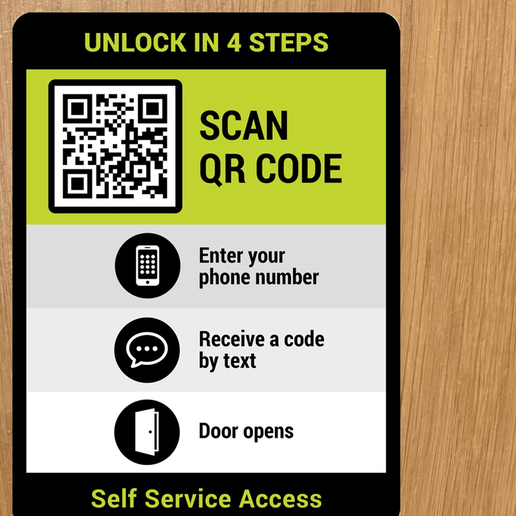
Field-tested at the doors nobody was watching
In a joint field study with the Loss Prevention Research Council (LPRC), restroom visits shifted to self-service from day one, with the strongest results at doors that had no deterrent in place before. The shift freed up meaningful associate time once spent monitoring a door instead of the sales floor.
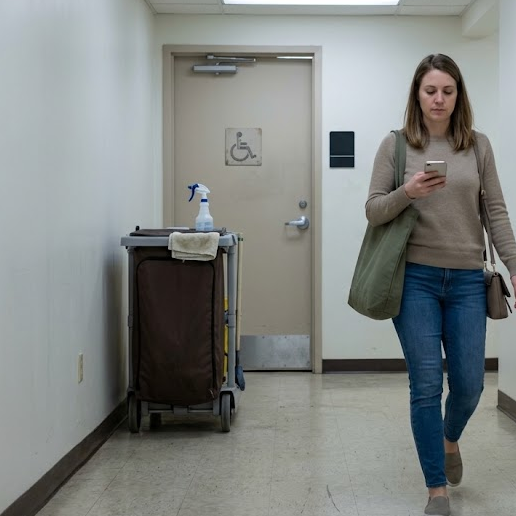
Deeper visibility, installed without disruption, private by design
Every visit already strengthens TrustedShopper, Indyme's cross-product reputation score for repeat offenders, with deeper investigation, sensor integration, and wellness alerts coming next. Freedom GO retrofits the doors you already have, restrooms and fitting rooms alike, with no construction and no cameras or biometric scanning. At pin-code stores, the win is labor recovered, not fewer incidents.
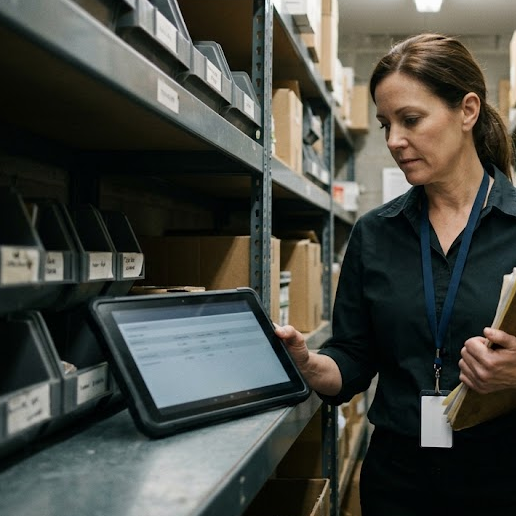
Key features
Eight capabilities behind the identity layer at your door

QR-Code Self-Service Access
No app download; shoppers unlock from their own phone.

Zero-Input Return Visits
Returning shoppers unlock instantly with no extra steps.

First-Class Assistance Path
Any shopper can request associate help, no stigma attached.
Full Session Logging
Every entry, dwell, and denied attempt is logged automatically.

Cross-Site Ban List
Banned credentials are blocked across every connected access point.

Fleet Health Dashboard
Monitor connectivity, battery, and settings from Indyme Cloud.

Multi-Language Experience
Shoppers choose their language; the preference saves automatically.

TrustedShopper Reputation Score
Repeat offenders carry a reputation score across Indyme products.
The data behind the door
/dollar_sign_white.png?width=720&height=720&name=dollar_sign_white.png)
$23-24K
Saved per store, per year in reclaimed associate labor.

~70%
Of visits are self-service.
/trending-down-1.png?width=720&height=720&name=trending-down-1.png)
-96%
Incident days once locked.